


Duy Tan University Strengthens International Collaboration in Reviewing Approaches and Developing Best Practices for the SDGs
Posted On: 15/12/2025
Duy Tan University (DTU) actively engages in international collaboration and research to review comparative approaches, exchange experiences, and develop and promote effective practices addressing the United Nations Sustainable Development Goals (SDGs).
Through its leadership and coordination roles in international higher education networks, including the Worldwide CDIO Initiative and Passage to ASEAN (P2A), as well as collaborative research with international academic partners, DTU contributes to evaluating educational models, comparing sustainable technologies, and developing evidence-based recommendations in education, renewable energy, water treatment, and environmental protection.
The following activities highlight DTU's efforts to review international approaches and advance effective practices relevant to the SDGs.
International Networks for Reviewing and Developing Educational Best Practices (2024–2025)
DTU actively participates in international higher education networks that promote the exchange, evaluation, and improvement of educational approaches. Through regular meetings, regional cooperation, and collaborative initiatives, DTU works with international partners to share experiences, review institutional practices, and support the development of effective educational models.
|
International Collaboration |
DTU's Role & International Partners |
Comparative Review & Best Practice Development |
Related Information |
|
Worldwide CDIO Initiative – Asian Regional Leadership and Collaborative Activities (2024–2025) |
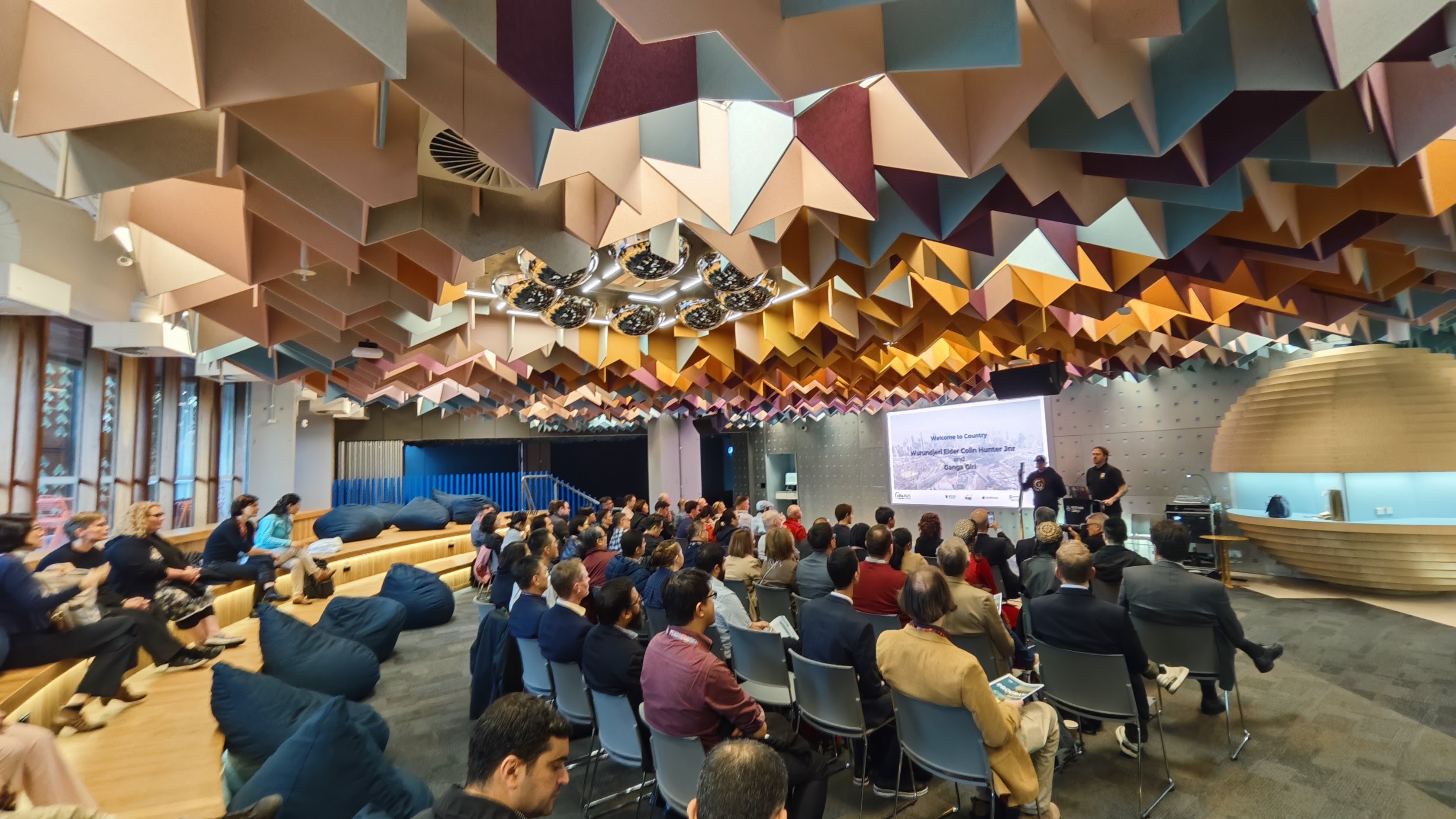
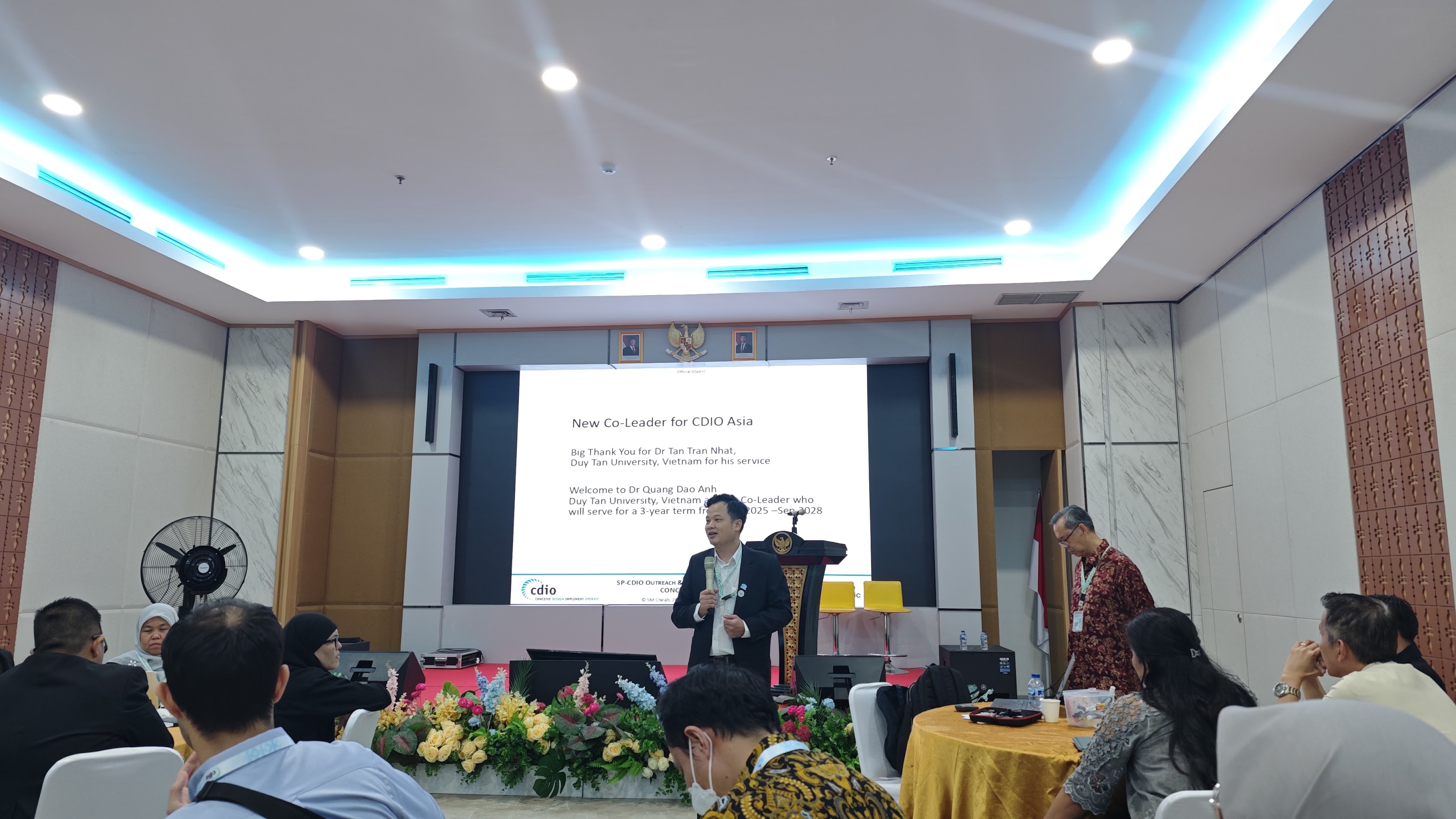
DTU has served as a CDIO Asia Regional Co-Leader since 2023, collaborating with regional co-leaders and member institutions worldwide. DTU participates in regional leadership meetings, international conferences, and collaborative activities supporting the development and implementation of the CDIO framework. |
Through regular meetings and collaborative activities, DTU and CDIO partners exchange and review approaches to engineering education, curriculum development, project-based learning, industry engagement, and sustainability integration. Activities included the CDIO Asia Co-Leaders' Summit hosted by DTU in February 2024, the 2024 Asian Regional Meeting in Japan, and the 2025 Asian Regional Meeting in Indonesia. These engagements facilitate comparisons of institutional experiences, discussions on the application and development of CDIO standards, and the sharing of effective approaches to engineering education. Related SDGs: 4, 9, 17.
|
CDIO Organization; CDIO in Asia; CDIO Asian Regional Meeting 2024; CDIO Asian Regional Meeting 2025 |
|
Passage to ASEAN (P2A) Network – Annual General Meetings and Regional Cooperation (2024–2025) |
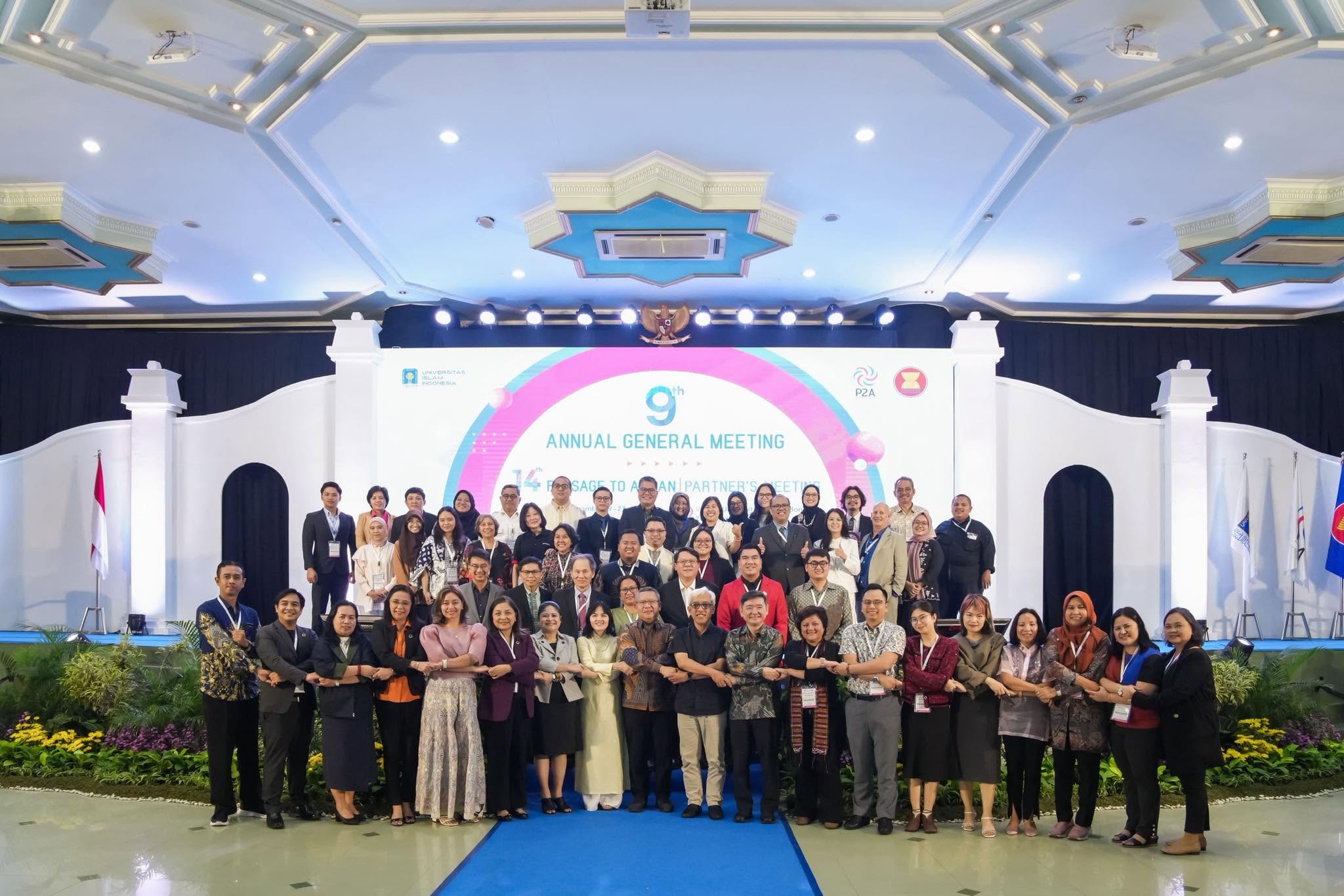
DTU is a co-founding institution of P2A and hosts the P2A Secretariat, supporting cooperation among higher education institutions across ASEAN. DTU contributes to annual meetings, network coordination, and collaborative educational initiatives. |
Through P2A Annual General Meetings and regional discussions, DTU and member institutions exchange and review approaches to student mobility, international education, digital transformation, and academic cooperation. The 8th P2A AGM in the Philippines (2024) addressed transnational education, AI in higher education, and the ASEAN Research Network. The 9th P2A AGM in Indonesia (2025) provided opportunities to exchange practices in educational innovation, digital transformation, and regional cooperation. These activities support comparative learning and the collaborative refinement of educational practices across ASEAN institutions. Related SDGs: 4, 10, 17.
|

International Collaborative Research on Comparative Approaches and Sustainable Solutions (2024–2025)
In addition to its international network activities, DTU collaborates with researchers from different countries to review, compare, and evaluate approaches to sustainability challenges. These studies contribute scientific evidence, improved methods, and recommendations supporting sustainable development in areas such as renewable energy, water treatment, food safety, and environmental protection.
|
International Collaborative Research |
DTU's Role & International Partners |
Comparative Approaches Reviewed & Best Practices Developed |
Related Publications |
|
Evaluation of Sustainable Hydrogen Production Technologies on an Industrial Scale Using Comparative Analysis of Decision-Making Methods (Online 2024) |
DTU-affiliated researchers collaborated with academic partners in Iran to evaluate sustainable hydrogen production technologies. |
The study compared industrial hydrogen production technologies using different decision-making methods and sustainability, technical, and economic criteria. The findings identified preferred renewable-energy-based hydrogen production options under the study's evaluation conditions and provided recommendations for sustainable technology selection and industrial investment. Related SDGs: 7, 9, 13, 17. |
Research Publication – Environmental Science and Pollution Research |
|
Comparison of Two Carbonaceous Supported Fe-rich Adsorbents for Arsenate Removal: A Functionalisation and Mechanistic Study with Applicability to Groundwater Treatment (2024) |
DTU researcher Hai Nguyen Tran collaborated with researchers from the United Kingdom, Serbia, and Taiwan. |
The study compared two iron-rich carbon-based adsorbents for arsenate removal, evaluating adsorption efficiency, material properties, removal mechanisms, and treatment conditions. The findings identified factors influencing treatment performance and provided evidence to support the improvement of arsenic removal technologies for groundwater treatment. Related SDGs: 3, 6, 12, 17. |
|
|
Toxic Metals in Rice Among Asian Countries: A Review of Occurrence and Potential Human Health Risks (2024) |
DTU researcher Xuan Cuong Nguyen collaborated with researchers from Vietnam, New Zealand, and South Korea. |
The review synthesized and compared published data on arsenic, cadmium, and lead contamination in rice across seven Asian countries. By evaluating variations in contamination levels and associated human health risks, the research identified priority concerns and provided evidence-based recommendations relevant to food safety monitoring, risk assessment, and pollution management. Related SDGs: 2, 3, 12, 17. |
|
|
A Comprehensive Review of KCC-1 Fibrous Silica for Water Treatment (2025) |
DTU researcher Saeed Shirazian collaborated with international research partners, including researchers in Canada. |
The review compared synthesis and surface-modification approaches for KCC-1 fibrous silica used in water treatment, examining their advantages, limitations, and effects on pollutant removal performance. The findings identified opportunities to optimize adsorbent materials and provided research-based recommendations for developing more effective and sustainable water treatment technologies. Related SDGs: 6, 9, 12, 17. |
Through its international network leadership, institutional collaboration, and comparative research, Duy Tan University contributes to reviewing different approaches and advancing effective practices relevant to sustainable development. Its engagement in CDIO and P2A supports the exchange and improvement of educational practices, while international collaborative research provides evidence-based recommendations for renewable energy, water treatment, food safety, and environmental protection. Together, these initiatives strengthen knowledge sharing, support the development of sustainable solutions, and reinforce DTU's commitment to SDG 17 and other related SDGs.
(SDGs Team)
 SDG2. Zero Hunger
 SDG3. Good Health and Well-being
 SDG4. Quality Education
 SDG6. Clean Water and Sanitation
 SDG9. Industry, Innovation and Infrastructure
 SGD10. Reduced Inequality
 SDG12. Responsible Consumption and Production
 13 Climate Action
 SDG17. Partnerships for The Goals
Other News
30/12/2025
DTU SDG 9 Progress Report 2025
Educate and conduct research integrated with science and technology to cultivate students and learners who are patriotic, humane with deep Vietnamese identity, socially aware, healthy, confident, dynamic, and creative—with comprehensive skills and capabilities to become global citizens.